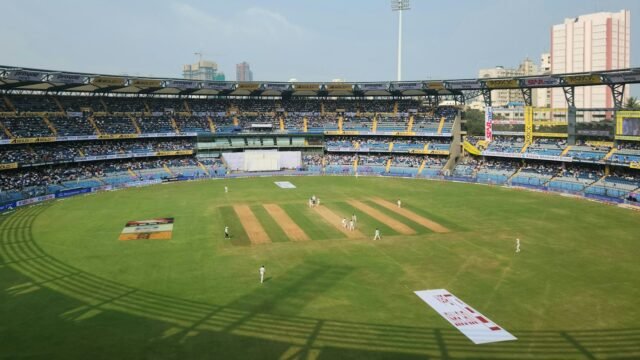
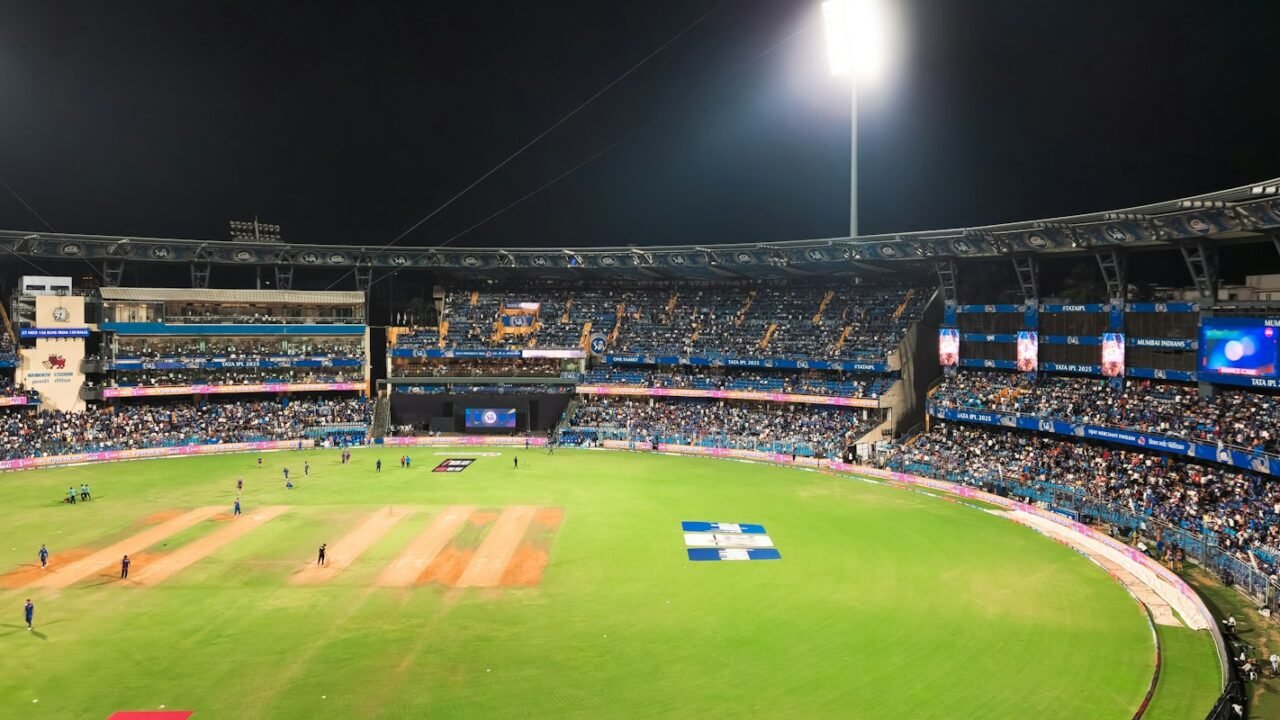
There are T20 games that swing on a dozen moments, and there are games that wait politely for one. This was the second kind. For most of the evening the chase at Queen’s Park Oval looked like an argument that would be settled on the last ball, the required rate hovering just above a run a ball and the batting side never quite committing to the acceleration it needed.
Then the nineteenth over arrived, and the argument was over before the twentieth began.
How the chase was built
The chasing side’s approach through the powerplay was sensible rather than spectacular. They kept wickets in hand, targeted the shorter boundary square on the off side, and refused to be dragged into the aerial game against spin. It was the kind of platform coaches draw on whiteboards: low risk, no panic, a lot of faith in the back end.
The trouble with that plan is that it hands the initiative to the fielding captain. Trinbago Knight Riders used the middle overs to bowl their best overs of spin in a single block, with Sunil Narine operating through the tenth to the fifteenth. Nothing about those overs was dramatic. They were simply tight, the field was set for the sweep, and the batters were happy enough to take singles. By the time the quicks returned, the equation had crept from comfortable to demanding without anyone quite noticing.
The nineteenth over
What made the decisive over interesting was not pace but the lack of it. The bowler went almost entirely off-speed, into the pitch, with fine leg and deep square both back and the straight boundary left temptingly open. It is a field that dares the batter to hit against the angle of the delivery, and with the ball holding in the surface, that was a low-percentage shot.
Two batters who had been set for a long while suddenly looked like they were facing a different sport. Swings came through early. A top edge hung long enough for the crowd to find its voice. By the time the over ended, the target for the final six balls had moved from possible to unlikely, and the batting side’s body language said as much.
What it tells us
The lesson is an old one dressed in a new kit: in T20, the over before the last is often the one that decides the chase, because it is the last over in which a captain can still set a field for a plan rather than for damage limitation. The chasing side had wickets to burn and did not burn them early enough. Their opponents had a plan for the nineteenth and executed it to the letter.
There will be louder games in this tournament. There may not be many that show more clearly how a chase is lost in the middle overs and only confirmed at the end.