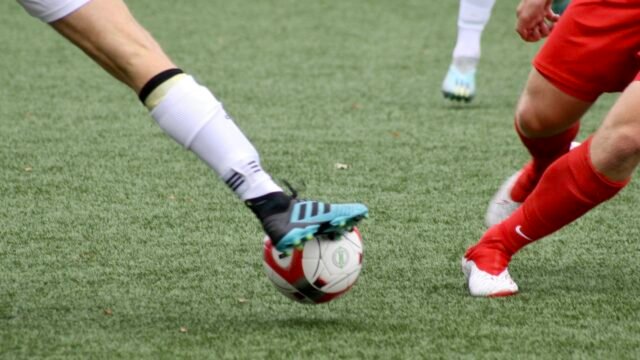
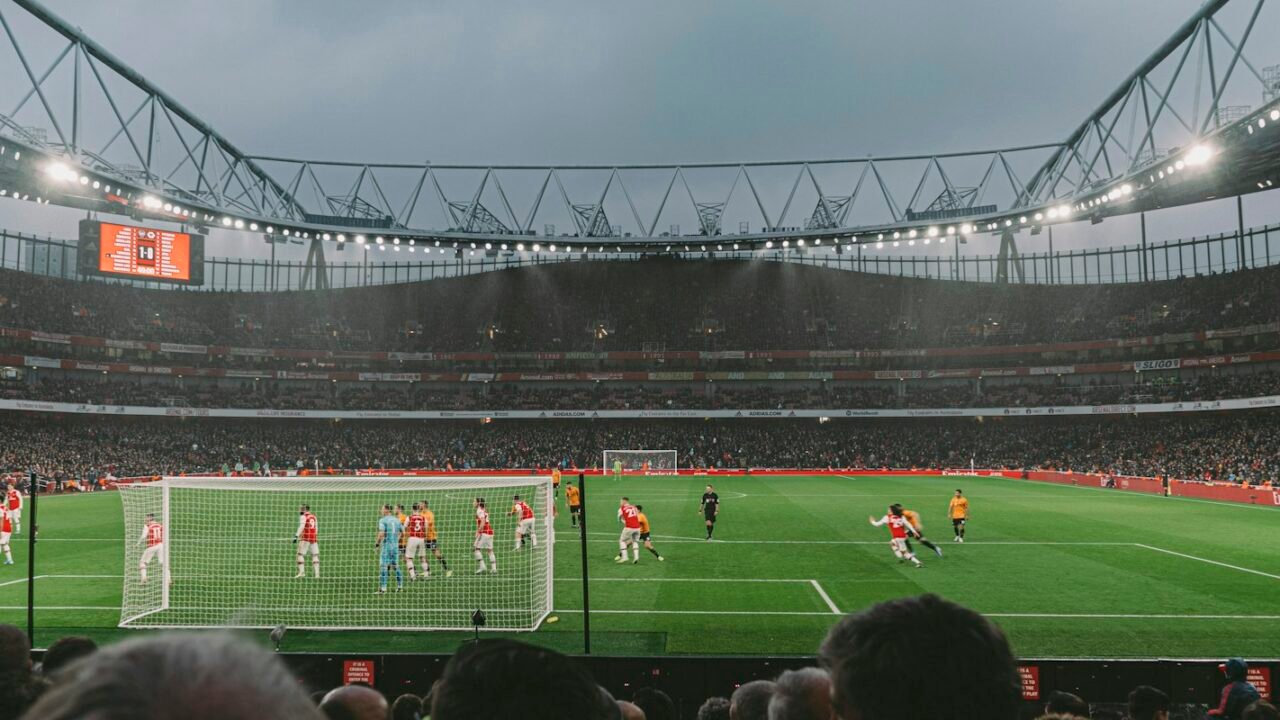
Derbies are rarely won by the better footballing side. They are won by the side that copes best with the noise, the tackles and the thousand small decisions made at a speed nobody would choose. For an hour this one followed that script faithfully: contested, scrappy, loud, and almost entirely without rhythm.
Then the bench intervened, and the game became something else.
An hour of trench warfare
Everton set out exactly as expected, compact and aggressive, with the midfield three screening the passes into Liverpool’s attacking midfielders and the full-backs pushing up to deny time on the ball. It was an effective plan. Liverpool had plenty of possession but little of it in the areas that matter, and too many attacks ended with a hopeful cross into a well-organised box.
Liverpool’s problem was not effort but angles. With both central midfielders operating on the same line, Everton could press them as a pair and the ball kept going sideways. The first half was a series of turnovers in the middle third and very little else.
The change that changed it
The substitution itself was not dramatic: a like-for-like swap on paper, but a very different instruction in practice. The new man played higher and wider, pulling one of Everton’s central midfielders across with him and opening a lane between the lines that had been closed all afternoon.
Within minutes the game had a different texture. Alexis Mac Allister, who had spent the first hour being hurried, suddenly found time to turn and pick a pass. Liverpool’s full-backs could push on because the ball was arriving in the final third cleanly rather than via a scramble. Everton were still committed, still fighting for every second ball, but now they were chasing the game rather than dictating its terms.
What we learned
Derby tactics tend to be discussed as matters of passion and nerve, but this one was decided on a whiteboard. Everton’s plan was good enough for an hour. Liverpool’s adjustment was good enough for the rest. The lesson for both is the same: in games this tight, the side that changes its shape first usually sets the terms for the finish.